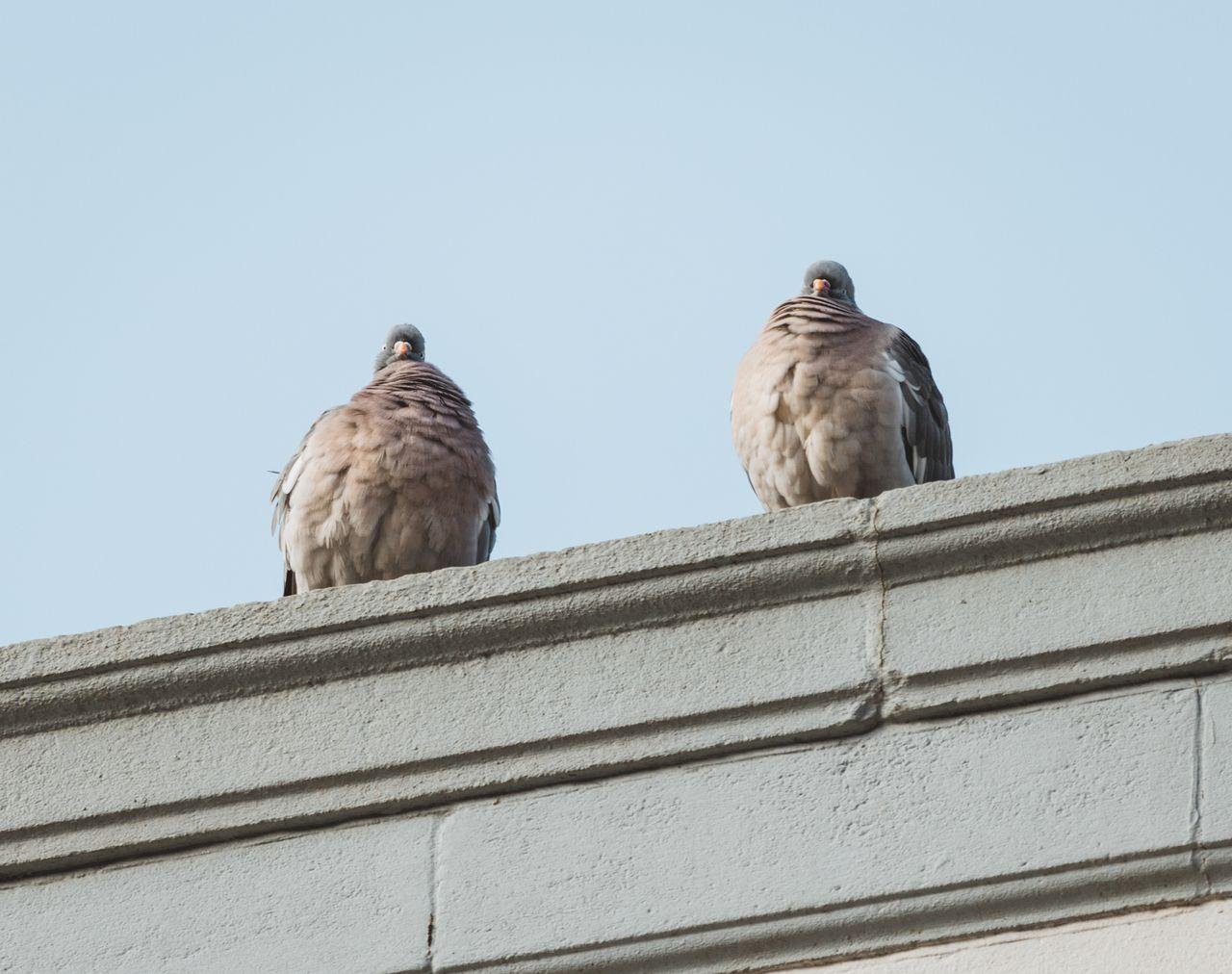
Because of the large roofs, sheltered ledges and regular food sources, birds can become a persistent problem around schools, hospitals and other public buildings. But, these environments present challenges for bird control. Large numbers of people may use the site every day. And any measures need to consider hygiene, public safety and the way the building operates.
Effective bird control should therefore prevent problems without creating unnecessary disruption for staff, visitors, patients or pupils.
Why Do Birds Gather Around Public Buildings?
Many public buildings are large with a varied footprint of structures, providing attractive places for birds to roost and nest.
Pigeons and gulls may use flat roofs, window ledges, canopies, plant equipment and other sheltered areas. Schools and hospitals can also have courtyards, kitchens, bins and outdoor eating areas that provide food.
Birds are persistent and once they find a reliable source of food and shelter, they return regularly. A small problem can then develop as more birds begin using the same site.
The first step in controlling them is understanding why they are there. This allows you to implement the right measures to target the cause.
Bird Control in Schools
Schools have several areas where bird activity can cause problems. These include playgrounds, entrances, roofs, outdoor eating spaces and sports facilities.
Droppings on paths and playgrounds can create slippery surfaces. They can also make areas unpleasant and unhealthy for pupils and staff to use.
Nesting birds can cause additional problems. Gulls, for example, may become protective of nesting sites when they have eggs or chicks nearby.
Food is another consideration. Open bins, dropped food and waste around outdoor eating areas can encourage birds to return.
Bird Control Around Hospitals and Healthcare Sites
Hospitals and healthcare facilities require particularly careful management of hygiene.
Bird droppings and nesting materials should not be allowed to accumulate around entrances, ventilation systems or areas used by patients and visitors.
Large healthcare sites can also offer numerous nesting opportunities. Roof structures, service areas, plant equipment and sheltered sections of buildings may provide birds with relatively undisturbed spaces.
Why Bird Droppings Need to Be Managed
Bird droppings are one of the most visible signs that a building has an established bird problem.
They can build up around entrances, paths, benches and other frequently used spaces. When surfaces become heavily contaminated, cleaning can become an ongoing maintenance task.
Wet droppings may also create slip hazards on pedestrian routes.
There are hygiene considerations too. Bird droppings can contain microorganisms associated with disease, particularly where significant quantities are allowed to accumulate.
Cleaning should therefore be handled appropriately, especially when large areas are affected.
Birds Can Also Damage Buildings
Nesting materials can collect in gutters and downpipes, restricting the movement of rainwater. This can contribute to overflowing gutters and water-related building problems.
Birds may also nest around roof structures, ventilation systems and external equipment.
Repeated fouling can stain building materials and create additional cleaning requirements. On a large school, hospital or public building, these maintenance costs can quickly add up.
Choosing Discreet Bird Control Measures
Public buildings often need bird proofing that is effective without significantly changing their appearance.
Bird spikes can prevent birds from settling on ledges and other common perching points. Bird wire systems provide another relatively discreet option for certain surfaces.
Netting can prevent birds accessing larger areas. Other physical proofing measures can prevent entry into roof spaces and sheltered areas.
Think about the larger problem though. Covering one ledge may simply encourage birds to move to another part of the building.
A professional survey can identify where birds are nesting, feeding and roosting before a suitable system is recommended.
Managing Food and Waste
Every living creature needs food, shelter and water. Food waste can continue attracting birds even after measures have been installed elsewhere. Schools, hospitals and other public sites should therefore consider how rubbish is stored and collected. Removing these food sources makes the site less attractive.
Bins should be kept closed where possible, while food waste should not be allowed to accumulate around outdoor areas.
And don’t encourage anyone to feed birds.
Bird Control Must Follow Wildlife Law
Wild birds and their nests are protected by UK legislation. This affects when and how certain bird control work can be carried out.
Particular care is required when birds are actively nesting. Removing or interfering with an active nest may be unlawful unless specific legal conditions are met.
Proofing buildings before birds establish active nests can provide more options for controlling future problems.
A Long-Term Approach to Bird Control
Schools, hospitals and public buildings can be difficult environments for bird management because they are often large and continuously occupied.
Removing visible nests or cleaning droppings does not address the problem.
A longer-term solution combines good maintenance, waste management and appropriate bird proofing. Regular inspections can then identify new activity before another established roost or nesting site develops.