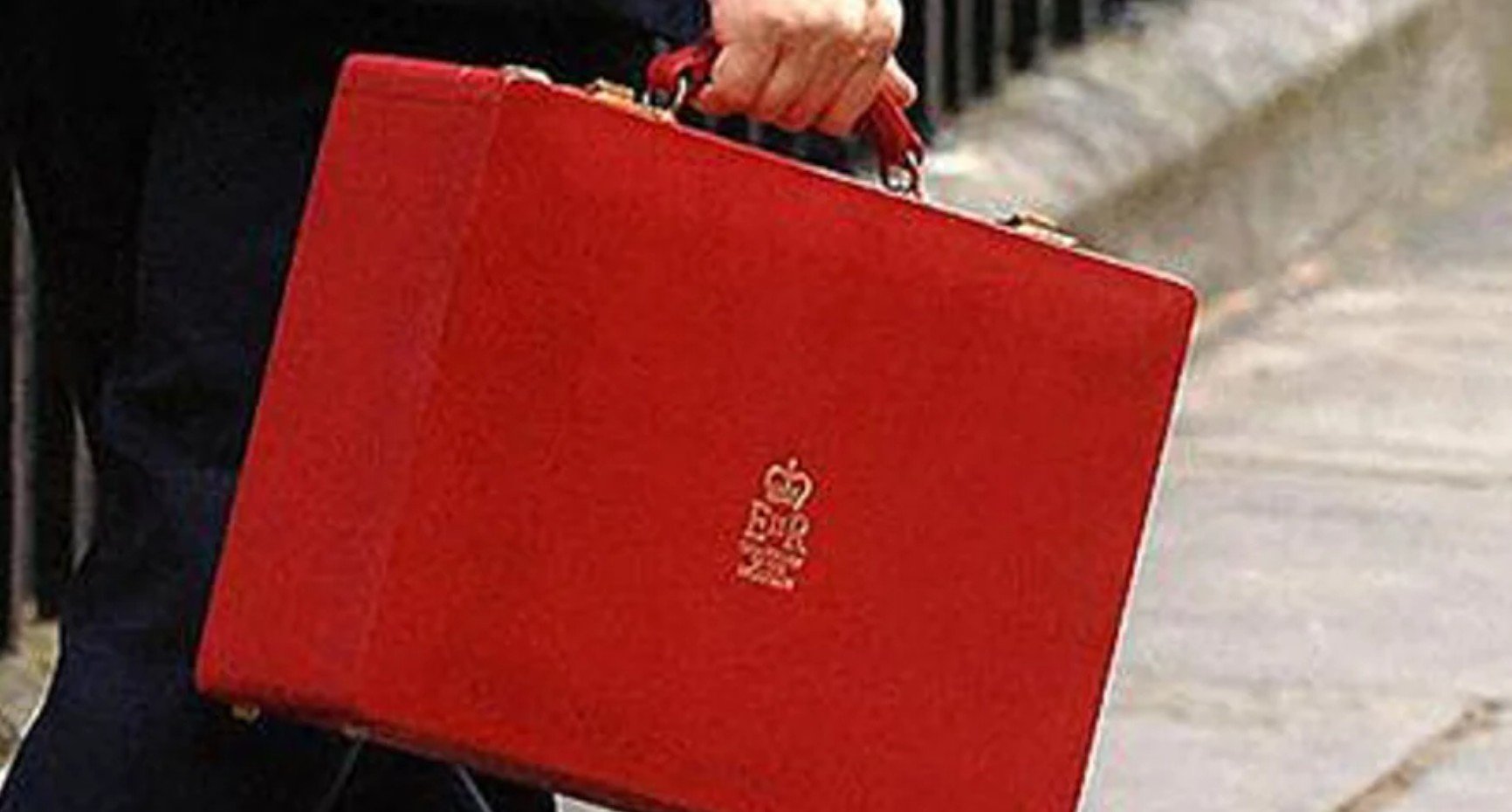
Chancellor John Healey has delivered his first Budget. The measures that reach a household first are a £100 energy payment, a longer cut in fuel duty, and a rise in the minimum wage. Further ahead, the triple lock on the state pension is due to change in 2030.
Energy bills
From January 2027, households in England in council tax bands A to D are due a one-off £100 Household Energy Payment. The Treasury says that covers up to 20 million homes, costs £2.6 billion, and will be paid directly into bank accounts by local authorities through the council tax system. Scotland, Wales and Northern Ireland receive a population share of the money and choose whether to offer the same support. Councils in England are also getting £100 million for households hit hard by bills, including some in bands above D.
The payment is funded by a temporary rise in the bank corporation tax surcharge, from 3% to 6%, from 1 January 2027 until 31 March 2028. The Treasury says that raises £1.5 billion.
The 0% VAT rate on domestic electricity is already in place for this winter in Great Britain, and the Budget extends it there until 1 July 2027. The Treasury expects that to take about £50 off the Ofgem annual price cap in April 2027. It says about 29 million households across the UK gain from the extension. The government is funding the Northern Ireland Executive to provide comparable support, with the extended relief expected to apply there from April 2027.
Gas standing charges average £108 a year on a typical bill, and they are paid even when a household uses very little gas. The government has asked Ofgem to abolish them on domestic bills in Great Britain, which is England, Scotland and Wales, by the end of 2027, or as soon as possible after that, with the cost recovered through the price of each unit. A reform of electricity standing charges is due to be set out next year. A planned tax on gas bills to fund hydrogen is being dropped, and those projects will be paid for by the government instead.
Inflation was 3.5% in September. The Office for Budget Responsibility expects it to peak at 3.8% in the first quarter of 2027, and expects the Budget to lower inflation by 0.1 percentage points over 2027.
Wages and pensions
On 1 April 2027 the National Living Wage rises by 3.9% to £13.21 an hour, from £12.71. The Treasury says that is £910 more a year in gross pay for a full-time worker on that rate. The minimum wage for 18 to 20-year-olds rises to £11.27, and the rate for 16 and 17-year-olds and eligible apprentices rises to £8.31. About 2.3 million workers are expected to benefit. Tax rates on earnings stay as they are. Scotland sets its own income tax rates and bands.
The triple lock remains for the rest of this parliament. The state pension will keep rising each year by the highest of 2.5%, inflation or earnings growth through to April 2029. Earnings are the measure that applies this year, at 3.9%. That takes the full new state pension, for people who reached state pension age after April 2016, to £250.70 a week, or £13,036.40 a year, up £488. The older basic state pension rises to £192.10 a week, or £9,989.20 a year, up £374.40. The Treasury says the full new state pension is on course to rise by more than £2,000 a year over the parliament.
From April 2030 the lock is adjusted. The pension will still rise every year, by the highest of 2.5%, inflation, or the amount needed to hold its value against earnings at the April 2029 level. The Treasury says that stops the pension ratcheting further ahead of wages, and estimates the change will reduce state pension spending by £15 billion a year by the late 2030s and by £50 billion a year by the late 2040s. The Budget links that change to a new settlement for older people, including personal care in England free at the point of use. Baroness Casey's commission on adult social care is now due to report in 2027.
From 6 April 2027 until 5 April 2030, a Pension Tax Allowance means pensioners whose total income is no higher than the full new state pension are not pulled into income tax by the uprating. The allowance then tapers away. The Treasury says about 500,000 pensioners benefit in 2027-28, and about 290,000 of them pay no income tax at all.
Fuel, savings and the high street
The 5p cut in fuel duty, which was due to end in January, now runs to 1 July 2027. A planned rise in line with inflation is put off to the same day. Diesel has gone above £2 a litre this month. Filling a typical 55-litre car costs about £24 more for petrol and £32 more for diesel than before the conflict in the Middle East, the Treasury says. Its fuel duty decisions across this parliament are expected to save the average car driver £230 compared with the previous government's plans.
The 55p-a-mile tax-free rate for the first 10,000 business miles in a car or van becomes permanent. Above 10,000 miles the rate rises from 25p to 35p. That covers about 2 million employees and 1 million self-employed people. A driver doing 6,000 business miles would keep about £120 more, and one doing 15,000 miles up to £300 more from the two changes together. From spring 2027, £100 million over two years is aimed at cheaper local public charging for electric cars. The Treasury expects a saving of about £150 a year for a driver who cannot charge at home.
The cash Isa limit stays at £20,000. A plan to cut it has been dropped. From April 2027, tax on savings income and on property income rises by a further two percentage points in every band, on top of a two-point rise already set at the previous Budget. The Treasury says 84% of income tax payers are unaffected. A new First Time Buyer Isa opens on 6 April 2029 and replaces the Lifetime Isa for new savers. Contributions are capped at £4,000 a year, with a 25% bonus paid when the money buys a first home worth up to £450,000. There is no withdrawal charge and no upper age limit. From 29 October, an existing Lifetime Isa can be used for a qualifying home above that cap at a reduced withdrawal charge of 20%, which leaves the saver's own contributions intact.
Your First Home is a £4.7 billion scheme that lets eligible first-time buyers in England buy a new-build home with a deposit as low as 2.5%, backed by a 20% government equity loan. The loans apply to new-build properties bought from participating developers, and the scheme is expected to help about 70,000 buyers. Household income is capped at £110,000 outside London and £140,000 in London. Price caps follow local prices, and stand at £500,000 in outer London and £650,000 in inner London. The loan is interest-free for five years. A further £1.5 billion goes into social and affordable homes in England, which the Treasury says will deliver about 10,000 homes and takes investment in that programme above £40 billion over 10 years.
The Budget confirms funding for the extra 20% business rates cut for pubs and all but the largest live music venues, announced in July, and includes social clubs in that extra relief. Eligible pubs and live music venues already receive 15% relief in 2026-27, so the total is 35% from 1 April 2027. The Treasury says that is worth more than £3,000 on average for a pub next year. Full small-business relief for retail, hospitality and leisure premises starts at a rateable value of £18,000 rather than £12,000, which takes about 70,000 more of those firms out of business rates. Other premises in those sectors have bills frozen in real terms for two years. Vape shops and adult gaming centres lose some of the relief from April 2027. Business rates are devolved in Scotland, Wales and Northern Ireland, so those governments receive funding and decide what to do with it.
From 26 November 2026, tariffs on more than 100 selected foods, including baked beans and chocolate, and on kerosene heating oil are suspended until 31 December 2028. The Treasury expects the food suspensions to cut consumer costs by £120 million to £185 million a year. Tariffs on fertiliser are suspended until 31 December 2027.
From April 2029, parental pay is extended to more than 160,000 additional parents, including self-employed fathers and partners who have previously missed out. People who are recently employed or unemployed, or who have broken or irregular employment and don't qualify for statutory paternity or adoption pay, will also benefit if they have a sufficient work and earnings history.
Day-to-day spending is funded with £15 billion of headroom in 2029-30, which is £9 billion less than in March, and with £22 billion in 2030-31. The Treasury says higher debt interest from the conflict in the Middle East accounts for the smaller buffer. Conservative leader Kemi Badenoch called the Budget "not good enough, not strong enough, not bold enough".
Households in England can check a council tax band on the annual bill. The £100 is due from January, through the local council. Governments in Scotland, Wales and Northern Ireland have still to say how they will use their share.
Photo: Unsplash